In contemporary dining, kombucha has become almost synonymous with non-alcoholic pairings. Its acidity, fermentation, tannin structure, and subtle funk allow it to behave in ways that feel familiar to wine service. But kombucha is only one expression of what a thoughtful non-alcoholic pairing can be.
Switchel is often grouped with shrubs, and while the two are closely related, there is a meaningful distinction between them. Shrubs are generally vinegar-based fruit syrups or preserves — concentrated preparations of fruit, sugar, and acid. Switchel has a more sustaining lineage: a drink built from vinegar, ginger, water, and whatever sweetener or seasonal ingredients were available. It was not only a way of preserving flavor, but a way of carrying nourishment through heat, labor, and scarcity.
That distinction is why I prefer the word switchel. Not because the name itself is more charming, but because of the meaning behind it. It belongs to a North American agricultural tradition where drinks were shaped by environment, necessity, and available ingredients. The word carries a sense of practicality: fruit, vinegar, ginger, sweetness, water, and the need to make something that could refresh, replenish, and sustain.
Switchel is generally associated with early colonial America, with possible Caribbean influence, before becoming especially linked with New England and agricultural labor. By the 18th and 19th centuries, it was widely known as Haymaker's Punch — a drink used by farmers during hot, physically demanding work.
What makes switchel compelling today is not simply its flavor, but the philosophy behind it. These drinks emerged from environments where people needed to preserve ingredients, restore the body, and create something sustaining from what was seasonally available around them. They were practical solutions shaped by climate, agriculture, labor, and preservation.
That idea feels deeply connected to the way we think about food and drink at SOYER.
In our non-alcoholic pairings, we explore contemporary and historical techniques to create drinks of genuine depth and complexity: smoked and clarified teas, lacto-fermented juices, koji-based elixirs, botanical infusions, fermented whey drinks, rice-based amasake-style preparations, and vinegar-based switchels and sharbats. Each is developed to complement the progression of the menu with precision, structure, and nuance.
Switchel and sharbat come from different traditions — switchel from North American agricultural drinking culture, sharbat from Persian, Middle Eastern, and South Asian traditions of concentrated fruit, floral, and herbal drinks — but both offer a way to think about refreshment through concentration, acidity, sweetness, aroma, and dilution.
The Green Strawberry & Shiso, Quince & Chamomile, and Rhubarb & Rose variations represent the culmination of this work: bright, layered, aromatic preparations designed not only for refreshment, but for genuine gastronomic harmony alongside food.
Often people think of sommeliers simply as wine people, but wine is really an example of what happens when humanity spends centuries refining a single raw material. Wine teaches structure, balance, acidity, texture, tannin, aroma, progression, and finish. It trains the palate to understand how something crafted with care can evolve and interact with food. Modern non-alcoholic pairing work draws from that same philosophy — using the understanding developed through wine to create equally thoughtful expressions from tea, fruit, grain, botanicals, fermentation, smoke, vinegar, and seasonality.
The result is something that feels neither like juice nor imitation wine, but rather its own distinct category of pairing entirely.
At SOYER, our interest in switchels and sharbats comes from more than their acidity or versatility. We are drawn to the underlying philosophy they represent: taking ingredients at their peak and carrying them forward through thoughtful preservation and transformation. Not simply creating something pleasurable, but creating something restorative, sustaining, and deeply expressive of both season and place.
In that sense, these drinks feel less like modern inventions and more like continuations of an older way of thinking about hospitality — one where preservation, nourishment, and pleasure were never entirely separate from one another.
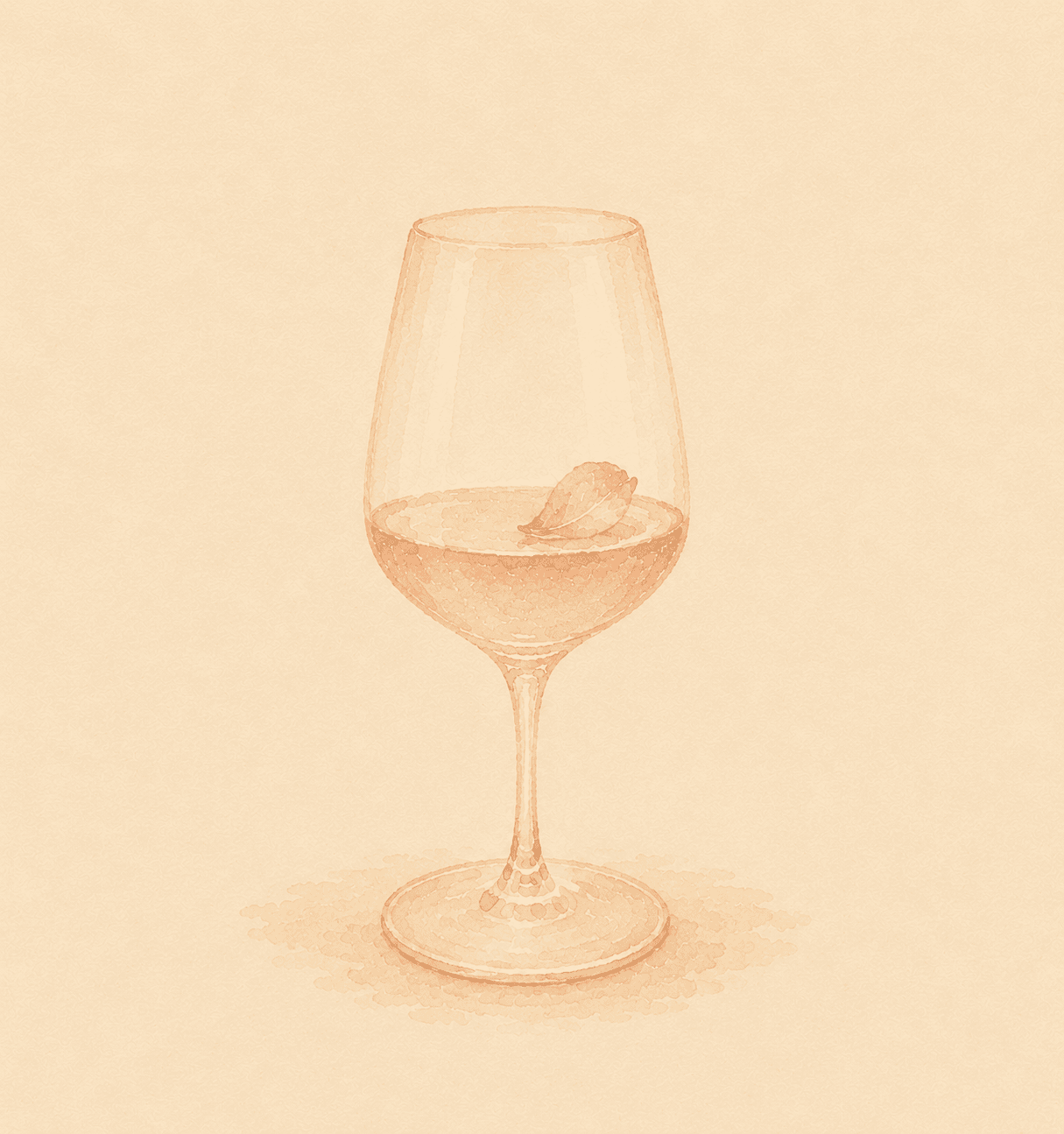
Switchel
A restrained, architectural rhubarb shrub designed for fine-dining non-alcoholic pairing. The rhubarb remains primary: bright, mineral, and clean. Rose appears only on the aroma and finish, while champagne vinegar and verjus provide a long, wine-like structure rather than aggressive acidity.
Yield: Approximately 1.2–1.3 L concentrate
Ingredients
- 1 kg forced rhubarb (young, bright pink stalks)
- 440 g caster sugar
- 7 g fine sea salt
- 300 g rosé wine vinegar (5–6% acidity)
- 170 g champagne vinegar
- 30 g verjus
- 1.2 g dried Damask rose petals
- ½ small dried hibiscus flower
- 2 g pink peppercorns, lightly cracked
Method
Day 0 – Maceration
- Wash and trim the rhubarb thoroughly. Slice into clean 1 cm diagonal pieces.
- Combine the rhubarb with the sugar and salt in a non-reactive bowl until evenly coated.
- Transfer to a vacuum bag in a shallow even layer and seal. Refrigerate at 4°C for 10–12 hours.The rhubarb should release a vivid naturally pink syrup while retaining freshness and acidity. Do not over-macerate.
Day 1 – Syrup Extraction
- Strain gently through muslin or a chinois without pressing aggressively. Allow gravity to do most of the work.
- Reserve the clear syrup. The spent rhubarb may be reserved for secondary applications such as sorbet, pâte de fruit, or gastrique.
Day 1 – Aromatic Vinegar Infusion
- Combine the rosé vinegar and champagne vinegar.
- Add the rose petals, hibiscus, and lightly cracked pink peppercorns.
- Infuse refrigerated for 60–90 minutes, tasting periodically after 45 minutes.The rose should remain subtle and structural, never overtly floral or perfumed.
- Strain immediately through fine muslin.
Day 1 – Blending
- Combine the rhubarb syrup with the infused vinegar mixture.
- Add the verjus and mix thoroughly.
- Refrigerate for 24 hours to allow the acidity and aromatics to integrate fully.
Day 2 – Clarification & Adjustment
- Allow sediment to settle naturally, then filter carefully through muslin followed by paper coffee filter if required.
- Measure and adjust only if absolutely necessary.
Target Parameters
The finished concentrate should taste vivid, crystalline, and structured — never syrupy or aggressively acidic.
Bottling & Storage
Bottle in sterilized dark glass and keep under refrigeration.
Avoid pasteurization unless required for commercial production, as heat diminishes the freshness of both rhubarb and rose.
Shelf Life: Approximately 4–6 weeks refrigerated
Service
Dilute 1:3 to 1:4 with very cold high-mineral sparkling water. Serve at 1–3°C in chilled white wine stems or narrow sparkling glasses.
Garnish (optional)
- One tiny fresh rose petal
- Or a single drop of rhubarb oil on the surface
Pairing Applications
- Duck with cherry or smoked cream
- Lamb with beetroot